Ding. Ding. Ding.
Great! You just posted a new Instagram post, and
Everyone seems to be loving it. The comments flood
with positive compliments, “stunning!”, “so so cute :)”,
“absolutely gorgeousss!!”.
You watch that tiny glowing red heart grow in numbers
and you finally start to believe you’re good enough. Pretty enough. Worthy enough of all these kind comments.
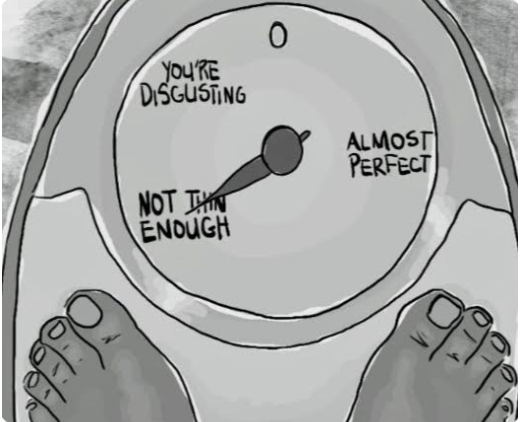
But as you look back at your post, you start to notice something. Your smile quickly fades as you pin point flaws all over the post. I look bloated. My skin is breaking out. The lighting makes me look weird. The girl in the background looks so much prettier than I do. Confidence quickly turns to insecurity as it so often does.
But here’s the truth: you’re not the problem. Trust me. The real enemy is social media, which thrives on creating some sort of filtered reality to make us doubt ourselves.
And even better, you’re not alone. In fact almost 70% of children find themselves being stressed, anxious, or depressed. The average teenager spends over three and a half hours a day scrolling through these social media apps. With our screens filled with edited bodies and impossible beauty standards, it’s no wonder we feel this way when for three hours a day, it’s all we see.
“Influencers” on these apps use many filters, to fit into the standards of today. They can use apps to slim their body down, shape their eyes, brighten their skin, change their face shape, to make their viewers envy them. 1 in 2 girls say toxic beauty advice, meaning competing with the standards on social media, causes low self-esteem. If most photos that we see online are edited to perfection, why do we find ourselves treating them like they are reality?
Tiktok and Instagram are presented as platforms to express yourself and your creativity. But if the creators of those apps see this drastic rise of teenagers becoming insecure, how come they don’t make changes to these apps to protect the mental health of their users?
Some may argue that the online platforms allow us to express ourselves, creativity, and ways to communicate with the outside world. But can’t we learn to use these apps in ways that can really leave a positive impact? Instead of making young teenagers constantly compare their undeveloped bodies as if it’s a competition, and allow them to love it.
If we all take a break and learn to genuinely appreciate ourselves and the world around us, we might learn to finally love ourselves for who we are, both inside and out.
So please, don’t be so hard on yourself. You only live once, in this body. Treat yourself kindly.